Stop Wearing Pink This October. Do This Instead.
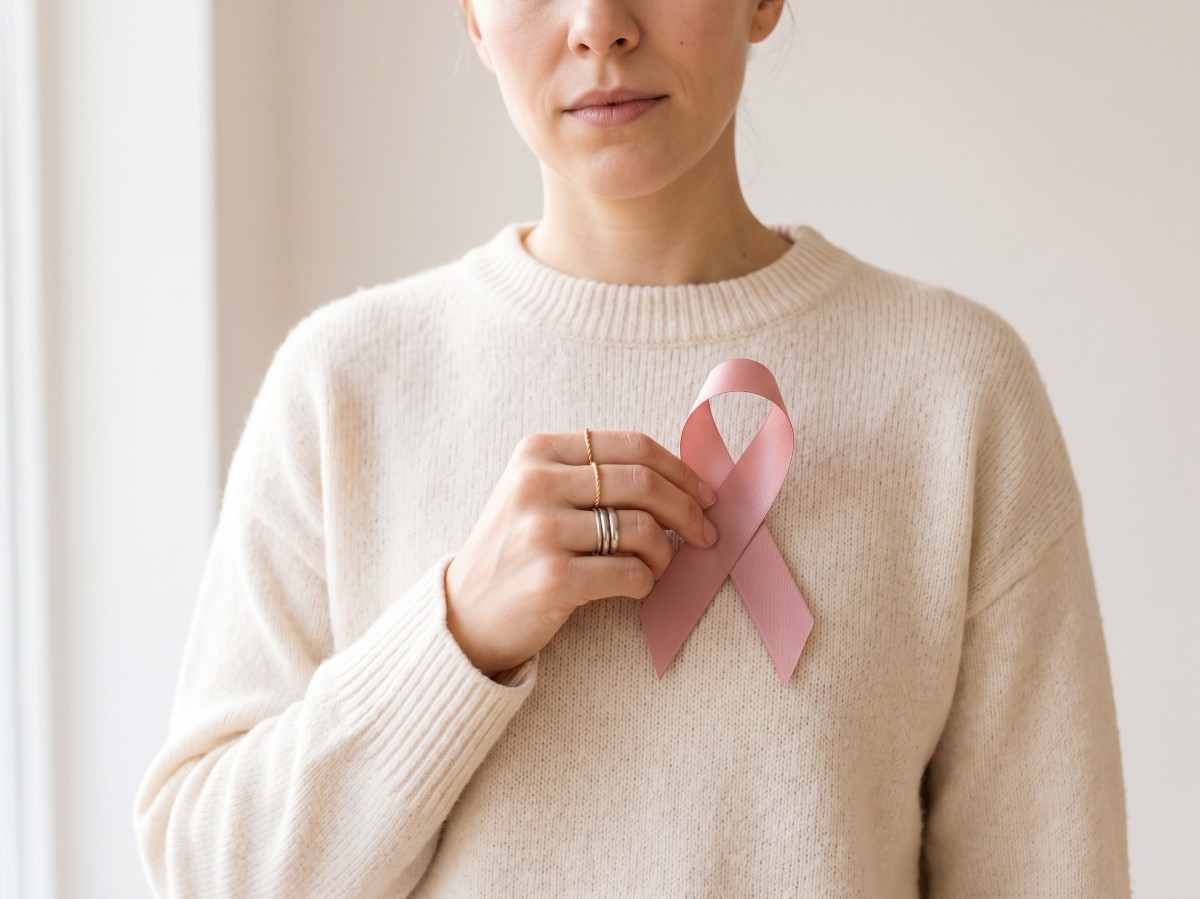
Every October, the pink ribbons go up. Social media fills with awareness campaigns. Women are reminded to book their mammograms. And then November comes and the conversation largely stops until next year. Awareness is important. But awareness is not prevention. A mammogram is a detection tool, not a prevention strategy. The work of reducing breast cancer risk happens long before any scan, in the daily decisions about what we eat, how we sleep, how we manage stress, and how we support our hormonal health across the years leading up to any potential diagnosis. This October, instead of just wearing pink, here is what the science actually says about reducing your risk.
What Most Awareness Campaigns Do Not Tell You
Breast cancer is the most commonly diagnosed cancer among women globally, and deaths from breast cancer are projected to increase by over 50% to approximately one million annually by 2040. Those numbers make the conversation urgent. What is often missing from the public conversation is the role that modifiable, lifestyle-driven factors play in determining individual risk. The most important known risk factors for breast cancer are hormonally related, according to NIH researchers. Factors such as the age at which menstruation begins, the number of children a woman has, and her history of oral contraceptive and hormone replacement therapy use are all related to breast cancer risk. Lifestyle factors, such as physical activity and obesity, also play a role, especially after menopause. Most women have never been told this in a clinical setting. They are told to screen. They are not told how to reduce what they are screening for. nih
The Hormonal Connection at the Center of Breast Cancer Risk
Estrogen is not the enemy. It is a necessary and powerful hormone. But the primary risk factor for breast cancer is widely regarded as the management of lifetime endogenous estrogen exposure to breast epithelial tissue. This means the total amount of estrogen the breast tissue is exposed to over a lifetime, how long, how consistently, and at what levels, directly influences risk.
Reproductive factors that increase exposure to endogenous estrogen, such as early menarche and late menopause, increase breast cancer risk, as does the use of combination estrogen-progesterone hormones after menopause, according to the National Cancer Institute. Fluctuations in circulating estrogen hormone levels are significant factors influencing breast cancer risk, and the modern lifestyle significantly contributes to heightened risk through factors such as dietary fat intake, excessive alcohol consumption, and cigarette smoking. This is where the lifestyle conversation becomes directly relevant. Everything that drives chronic estrogen elevation, including excess body fat, alcohol consumption, liver congestion, gut dysbiosis, and chronic stress, is a modifiable factor.
Inflammation as a Breast Cancer Risk Driver
Inflammation is not a background condition. It is a biological environment that either supports cellular health or creates the conditions for cellular dysfunction. The main mechanisms through which obesity can lead to breast cancer include increased growth factors like insulin and insulin-like growth factor 1, elevated levels of estrogen and other factors affecting sex steroid hormones, modifications in adipokines which regulate the immune system and affect tumor-regulatory mechanisms, and fostering oxidative stress through cytokines and low-grade inflammation.
Chronic low-grade inflammation, the same kind driven by poor sleep, blood sugar dysregulation, ultra-processed diets, and chronic stress, creates a cellular environment where damaged cells are less likely to be caught and cleared by immune surveillance. Research has shown that the risk of breast cancer was higher in the short sleep duration group, and that circadian disruption including night shift work, domestic light exposure at night, and disrupted sleep duration are risk factors for breast cancer. Sleep is not a recovery preference. At a cellular level, it is when the immune system performs the surveillance and repair work that determines whether abnormal cells are caught early or missed entirely.
The Lifestyle Factors That Actually Move the Needle
Research shows that lifestyle changes can lower the chances of getting breast cancer, even in people at high risk, according to Mayo Clinic. The modifiable factors with the strongest evidence base are alcohol consumption, physical activity, body weight management, and hormonal load management.
Alcohol is one of the clearest modifiable risk factors. Alcohol consumption is associated with increased breast cancer risk, as is obesity in postmenopausal breast cancer. Even moderate alcohol intake has been consistently associated with elevated risk in women, a relationship that holds regardless of other lifestyle factors. Physical activity reduces circulating estrogen, improves insulin sensitivity, reduces inflammatory markers, and directly supports immune surveillance. It is one of the most evidence-backed breast cancer prevention tools available. Body weight matters specifically because adipose tissue is a site of estrogen production. After menopause, when the ovaries reduce production, fat tissue becomes the primary estrogen source, which is why postmenopausal obesity carries disproportionate breast cancer risk. And managing hormonal load, through liver support, gut health, stress regulation, and reducing unnecessary exposure to synthetic hormones and endocrine-disrupting chemicals, is the daily practice that accumulates into meaningful risk reduction over time.
What This Looks Like as a Daily Practice
The gap between awareness and prevention is a daily practice gap. Knowing that inflammation drives risk is different from eating in a way that reduces it. Knowing that sleep matters is different from protecting it. Knowing that stress elevates estrogen is different from building a nervous system that can regulate itself. Breast cancer prevention is not a once-a-year conversation. It is a systems approach to keeping the body in a biological state where abnormal cells are less likely to develop and more likely to be caught if they do. That is what public health-based prevention actually means. Not just screening for what has already happened. Building the conditions where it is less likely to happen in the first place.
Helpful Tips
- Limit or eliminate alcohol. This is the single most accessible and evidence-backed modifiable risk factor for breast cancer. Even one drink per day has been associated with measurable increases in risk. Pink October is a good time to make that decision.
- Move your body consistently, not intensely. Regular moderate physical activity, including walking, resistance training, and cycling, reduces circulating estrogen, improves insulin sensitivity, and directly supports immune function. Thirty minutes most days is enough to move the needle.
- Protect your sleep as an immune practice. Sleep deprivation suppresses natural killer cell activity and impairs the immune surveillance that catches abnormal cells before they replicate. Seven to nine hours in a dark, cool room is not a luxury. It is a prevention strategy.
- Support your liver's estrogen clearance daily. The liver processes and eliminates excess estrogen. Cruciferous vegetables, adequate hydration, and limiting alcohol support this process directly. A sluggish liver means estrogen circulates longer than it should.
- Reduce your exposure to endocrine-disrupting chemicals. Plastics, synthetic fragrances, pesticide residues on food, and certain personal care product ingredients interfere with estrogen signaling. Reducing exposure is a low-cost, high-impact daily prevention decision.
- Do your monthly self-exam and book your screening on schedule. Detection is not prevention, but it saves lives. Know your baseline. Know what feels normal for your tissue. And report any changes without waiting for your next annual appointment.
Pink October matters. The awareness it has generated has saved lives through earlier detection. But detection is where the conversation has stopped for too long. The next frontier of breast cancer awareness is prevention, and prevention is not a campaign. It is a daily practice built from the decisions you make about what you eat, how you sleep, how you manage your stress, and how you support your hormonal health every single day of the year. The ribbon is a symbol. What you do after you put it down is the strategy. This October, let the awareness month be the beginning of something more than a social media post. Let it be the month you started taking your biology seriously.
Take Care,
Zahraa - PHP Team
Founder & Director | Public Health Professional & Holistic Health Coach